Tag Archives: newzealand
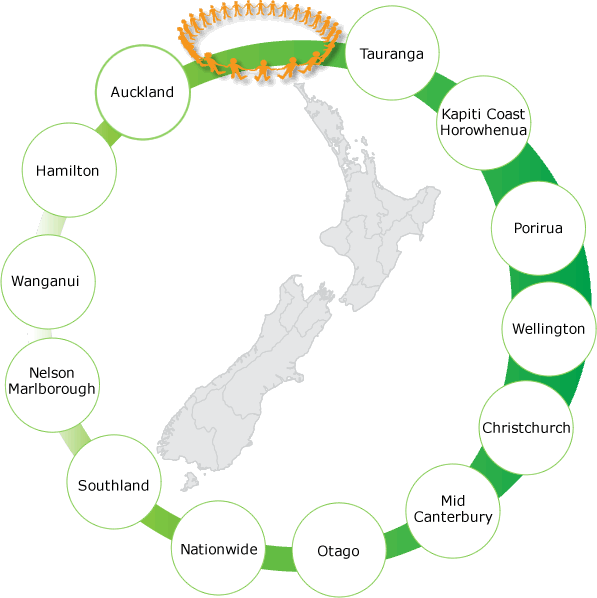
Creative Commons Aotearoa New Zealand
Chorus UFB Install Costs Are One Issue Among Many
While the fact that Chorus are yet to release a cost strategy for non-standard UFB installations is indeed a problem, it is just one amongst a fair number.
via dts.net.nz
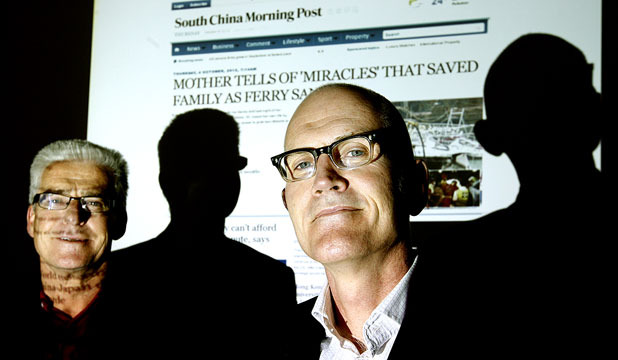
Catalyst IT Notes Shift In Open Source Attitude
via stuff.co.nz
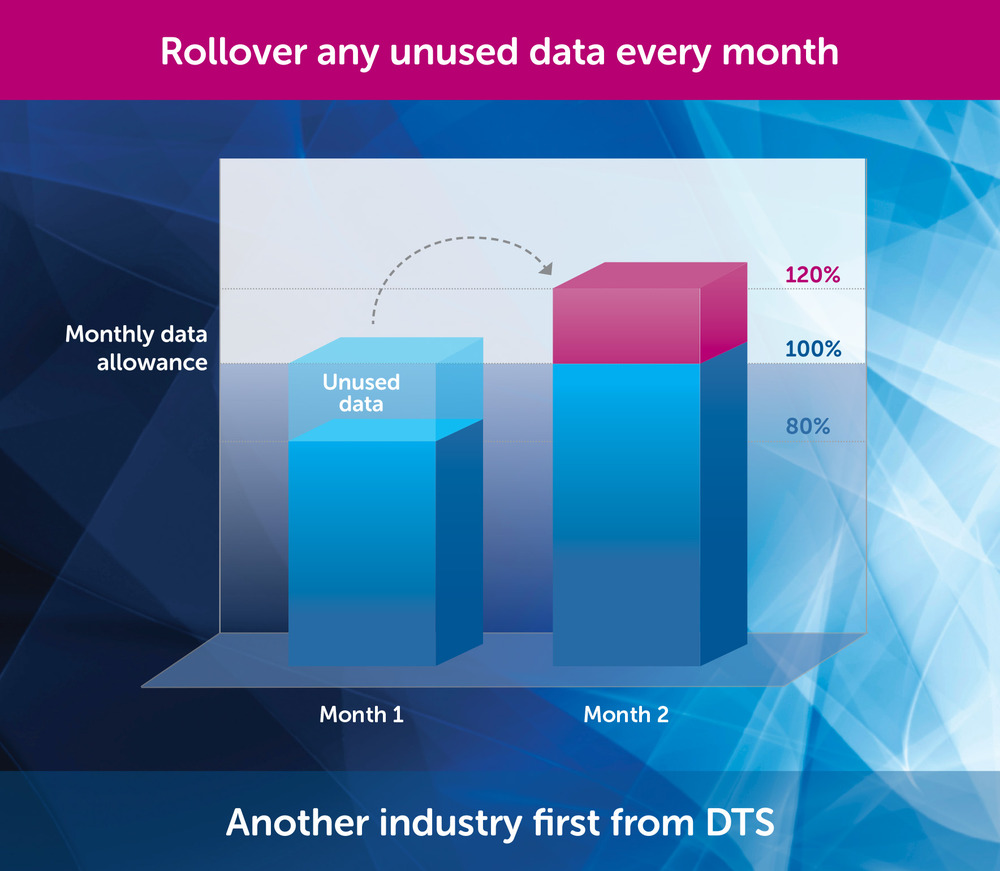
Announcing Free Data Rollover As Standard On All Plans — DTS Limited
New Zealand Parliament – 4. Dotcom Case — Actions of Government Communications Security Bureau
Dr Russel Norman: How can he be confident in the Minister’s oversight of the Government Communications Security Bureau when the inspector-general of Intelligence and Security, in his annual report of 2011, raised concerns about the operation of Government Communications Security Bureau authorisations to intercept communications, and, so far as we are aware, the Minister has never taken any action to follow up with the bureau why the Inspector-General has raised these concerns in his last report and what the Minister has done about it?
via parliament.nz
Keystone Cops too busy bowing to FBI demands
A few isolated incidents or part of an alarming pattern? It’s time we found out. In the Dotcom case, not only have our law enforcement agencies cut corners – or worse – in their excitement at being part of Uncle Sam’s world police team, in so doing they have broken New Zealand laws designed to protect the rights of the people they’ve sworn to uphold.
They’ve also broken our trust. That’s earned them medals from the FBI. We can’t leave it at that.
via nzherald.co.nz
FBI, also bowing to demands, from US film studios.
New Zealand Parliament – 1. Dotcom Case – Actions of Government Communications Security Bureau
Rt Hon JOHN KEY: No. It is important to understand what the ministerial certificate is. The ministerial certificate is essentially a suppression order that was on the basis of an application by Kim Dotcom’s legal team to release the name of the Government Communications Security Bureau’s activity. It is not normal practice for us to do that. So, because the bureau believed it had acted lawfully, it asked the Acting Prime Minister to sign the ministerial certificate, which avoided it having to make that public statement.
via parliament.nz
“White space” viable for rural broadband – report | InternetNZ
A just-published report on radio spectrum “white space” has found that the technology is a viable alternative for getting high-speed broadband out into rural and remote New Zealand communities.
White space refers to radio spectrum frequencies allocated to a broadcasting service but are not used locally.
The report – written by telecommunications consultant Jon Brewer – explores a number of technology and regulatory issues, as well as several practical uses and trials of white space technology.
Brewer notes that approaches based on “white space” are inexpensive, lightweight and can provide more effective broadband coverage in geographically-challenged parts of the country.
In the report he highlights the potential of white space for three New Zealand rural communities – Parikino in the Wanganui District, Pourerere in Central Hawkes Bay and Clova & Crail Bays in the Marlborough Sounds.
The report was funded by InternetNZ (Internet New Zealand Inc) as part of its Community Projects Funding Round, held last year.
NZOSS: Software Patent Exclusion vs TPP :: A Fair Deal
The issue is software patents. In NZ software is currently patentable merely because the Patents Act 1953 predated the widespread existence of software, and therefore does not specifically exclude it. Unlike mechanical inventions, software which is essentially written instructions for a computer, is also protected by copyright, as books, music and other expressions of creativity are. The NZOSS membership, along with most kiwi software developers, believe that copyright is sufficient protection, and that software patents are both unnecessary and actually detrimental to the industry. One need only look as far as the legal spectacles created by software patent disputes between major corporations in the US and EU to see the wealth they squander ??? as much as half a trillion dollars wasted since 1990 according to one academic study.
via fairdeal.net.nz
 Hamish MacEwan